Poem of the Week, by Dante di Stefano
Would you like to start the new year with an hour each morning of quiet writing in the company of others, without the pressure of sharing or feedback? Please join us January 6-11 for Write Together. 10-11 am Central Time, $100. I’d love to see you in the zoom room. Click here for all the details.
During the Tiananmen uprising/massacre, I was the Chinese teacher at South High School. I wheeled a big bulky television on a cart into my classroom so we could watch history happening, but once it was clear what was about to go down I turned off the television.
Years go by and you live through so many things that don’t turn out as you hope, and you know this will keep on happening. The flip side of this is a kind of gratitude I could not have felt when I was younger, a combination of telescope and microscope: all the awfulness will always be there, and so will a thousand tiny beautiful moments.
We Three Kings, by Dante Di Stefano
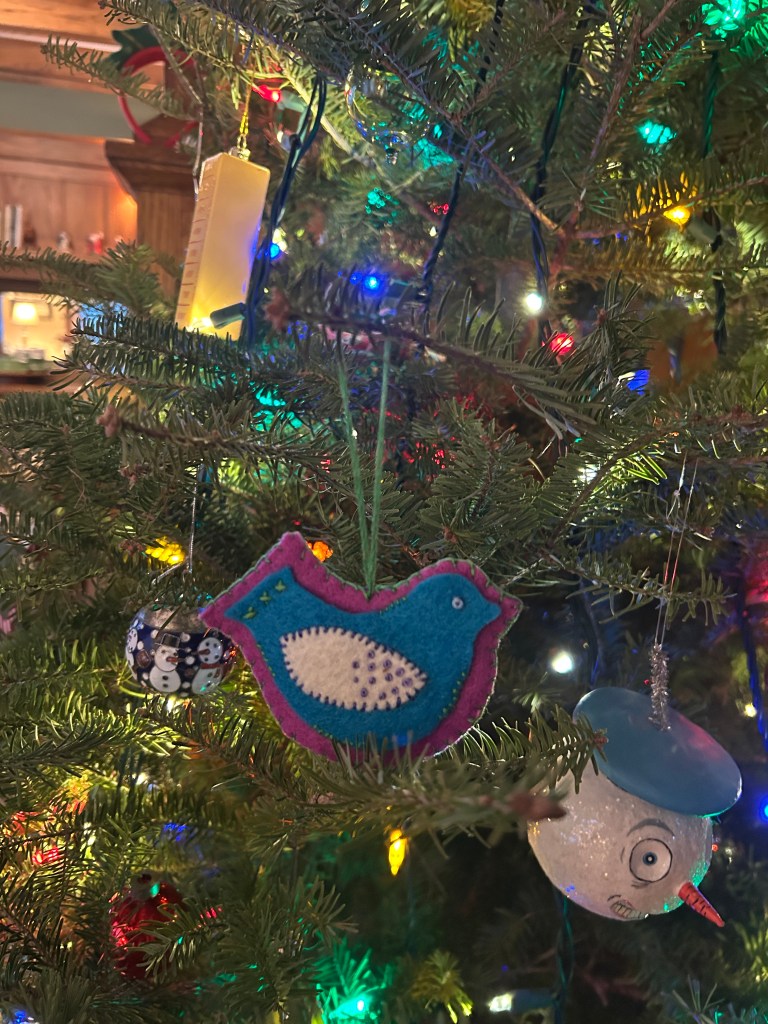
I slide myself under our tree
like a mechanic in a body shop
& look up through the lights
& ornaments
& artificial limbs
to the tin angel tied by yarn to the top
like a drunken sailor in a crow’s nest
& I am done with similes
& I put aside the possible shutdowns
& mysterious drones
& the wars
& the horrible rape trial across the Atlantic
& I remember what it was like
to do the same thing
when I was a kid in ’89
not quite a teenager
the year the Berlin wall fell
the year of the Tiananmen Square massacre
the year my father was committed
there is so much in the world
we don’t know & block out or forget
but I am still looking up
past the delicate bric-a-brac of a life
the popsicle stick & pipe cleaner ornaments
fashioned by my two small children
the candy canes they not so secretly pluck from the boughs
the few glass ornaments that have survived the dog & kids
& I am thinking of how grateful I am
how grateful how grateful
looking past the spot where another angel should be
looking for a god in the straw
looking past the infant loneliness squalling in my heart
holding the gift of my own ever unfolding naivete
in the manger of my saying
o star of wonder.
Click here for more information about Dante di Stefano. Today’s poem first appeared in the December 2024 issue of the daily poetry magazine Rattle.
alisonmcghee.com
My podcast: Words by Winter
 Alison McGhee