Poem of the Week, by Marie Howe

Would you like to start the new year with an hour each morning of quiet writing in the company of others, without the pressure of sharing or feedback? Please join us for Write Together, January 12-17. Each day’s Zoom session features different readings, different prompts, and the chance to write quietly together in solidarity and appreciation. $100, with one scholarship remaining. Click here for more information and to sign up. 

The violinist with the beautiful smile in this photo used to be one of my closest friends. She lived in a small bright green ranch house right across the street from the middle school, and we would sneak out of school at lunchtime and go there to drink chocolate milk and eat peanut butter sandwiches.

Her sisters and brothers were in high school, unimaginably older and cool, laughing and talking and making offhand jokes about things like sex and drugs and rock ‘n roll. Had I been alone I would have been stunned and cowed and half-paralyzed by their coolness, their easy laughter. But I wasn’t alone. I was with her.

Why did she like me? In retrospect I was a quiet observer and not much fun back then, although maybe I’m not the best judge of that. But one reason she liked me is easy: she liked nearly everyone. She had a huge and generous heart. She was also unafraid of things that I was afraid of, like saying out loud that which scared me, hurt me, made me angry. She was honest about things. She saw life clearly, and stating the obvious didn’t scare her.

The boy I had a crush on used to ask if he could have a punch off my lunch ticket. Sure, I would say. I’ll pay you back, he would say. He’d run across the grass, back into the school. He won’t, you know, she observed. He won’t pay you back. And you’ll give it to him tomorrow if he asks. I looked at her. She looked back at me and smiled. She was wise. She was honest. She stated things the way they were. And she was unjudging. She was one of those rarest of creatures, a human being completely comfortable in her own skin.

She died of an aneurysm almost thirty years ago now, but I think of her most every day. That dark hair, those blue blue eyes, that grin. On the rare occasions when I drink chocolate milk, I make a mental toast to her. In my memory she is always smiling. A big, merry smile that showed off her high cheekbones. When I think of her, I also think of this poem.

My Dead Friends, by Marie Howe

I have begun,
when I’m weary and can’t decide an answer to a bewildering question

to ask my dead friends for their opinion
and the answer is often immediate and clear.

Should I take the job? Move to the city? Should I try to conceive a child
in my middle age?

They stand in unison shaking their heads and smiling—whatever leads
to joy, they always answer,

to more life and less worry. I look into the vase where Billy’s ashes were —
it’s green in there, a green vase,

and I ask Billy if I should return the difficult phone call, and he says, yes.
Billy’s already gone through the frightening door,

whatever he says I’ll do.

Click here for more information about Marie Howe. Today’s poem first appeared in What the Living Do, published in 1998 by W.W. Norton & Company.
alisonmcghee.com
My podcast: Words by Winter
Poem of the Week, by Manuel Iris

Would you like to start the new year with an hour each morning of quiet writing in the company of others, without the pressure of sharing or feedback? Please join us for Write Together, January 12-17. Each day’s Zoom session features different readings, different prompts, and the chance to write quietly together in solidarity and appreciation. $100, with one scholarship remaining. Click here for more information and to sign up. 

Because more than half of all suicides in the U.S. are by gun. Because my great-aunt’s leg was shot off by a hunting rifle. Because I watched a stolen Kia with boys hanging out the windows holding guns tear down my block. Because my friend was robbed at gunpoint in the church parking lot.

Because my cousin died by self-inflicted gunshot. Because someone once shot their gun off into my phone to make me think they were dead. Because my teacher friend sometimes calls in sick on Mondays because most school shootings happen on Mondays. Because the instructor in the gun familiarization class I took because I felt I should meet my enemy goes nowhere without his guns, not even room to room in his own apartment. Because when I’m in other countries I don’t worry I’ll be shot.

Prayer for a Potential Mass Murderer, a Future School Shooter, by Manuel Iris

May you find healing
before you find a weapon. 

May you find a safe place to cry
before you find a weapon. 

May your voice find the right words
and the right ears
before you find a weapon. 

May love be as available to you
as weapons are in America. 

I am talking to you
the deeply sad, the sick,
the neglected, the abused,
the bullied, the ignored,
the violent suicidal. 

You are also us,
you come from us
to bite us in the heart
with our own mouth. 

You will be us until we take
the hurt from your heart,
the rage from your mind,
the gun from your hands. 

May the silence heal
your thirst for revenge,
your heart full of hate,
your head full of plans
and scenarios. 

May your hurt
and our wound
stop existing. 

And may we stop being devoured
by the monsters we are, the pain
we have created. 

Click here for more information about Manuel Iris. Today’s poem was first published in Rattle #89, Fall 2025. 

alisonmcghee.com

Poem of the Week, by Robyn Sarah

Write Together 2026 is now open for registration! Come write with us for an hour each morning, January 12-17. Each day’s Zoom session features different readings, different prompts, and the chance to write quietly together in solidarity and appreciation. Click here for more information and to sign up. 

Last month, a week after my mother died, I was on the couch practicing Duolingo when my entire body began to shake, my gut turned to ice, and a feeling of terror overwhelmed me. You’re having a panic attack, I thought, but why? Then it came to me: there is no one in the world anymore to take care of you. No one will ever love you the way she did. This feeling was not rational, but neither is grief or panic.

Many of my mother’s favorite Poems of the Week from this blog were scattered around her apartment –she read them online and printed them out, tucked them into drawers, stuck them on the fridge, propped them up in window frames. But the one below didn’t come from me. She must have found it somewhere and loved it and printed it out. I brought it back with me and use it as a bookmark now, a small token of the essence of my mother.

Bounty, by Robyn Sarah

Make much of something small.
The pouring-out of tea,
a drying flower’s shadow on the wall
from last week’s sad bouquet.
A fact: it isn’t summer any more.

Say that December sun
is pitiless, but crystalline
and strikes like a bell.
Say it plays colours like a glockenspiel.
It shows the dust as well,

the elemental sediment
your broom has missed,
and lights each grain of sugar spilled
upon the tabletop, beside
pistachio shells, peel of a clementine.

Slippers and morning papers on the floor,
and wafts of iron heat from rumbling rads,
can this be all? No, look — here comes the cat,
with one ear inside out.
Make much of something small.

Click here for more information about Canadian writer Robyn Sarah. Today’s poem is from A Day’s Grace, published in 2003 by The Porcupine’s Quill.

alisonmcghee.com
My podcast: Words by Winter
Poem of the Week, by Tangerine Bell

Write Together 2026 is now open for registration! Come write with us for an hour each morning, January 12-17. Each day’s Zoom session features different readings, different prompts, and the chance to write quietly together in solidarity and appreciation. Click here for more information and to sign up. 

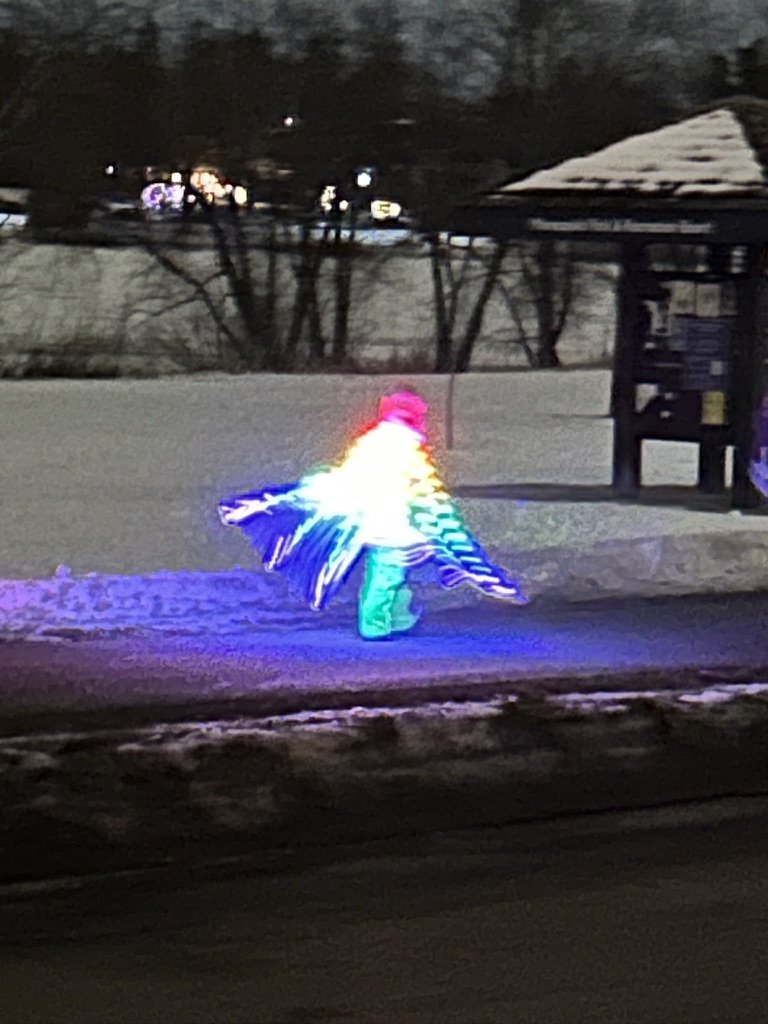
What I love about Tangerine Bell, who published her first book at 94, is her absolute refusal to shrink into the shadows. To efface herself because of her age or her gender. To pretend she didn’t care, had grown out of wanting. Nope. Give me my due, she says. I so admire people who boldly stake their claim in the world, their right to exist and be heard. I wish I’d known her.

Epitaph for an Unpublished Poet, by Tangerine Bell

No resurrection hymn can budge from dead
The one whose pungent verses rot unread.
So do not sing your songs to rouse my head.
Sing mine; sing mine. Sing mine instead.

Click here for more information about Tangerine Bell. 
alisonmcghee.com
My podcast: Words by Winter
Poem of the Week, by Czeslaw Milosz

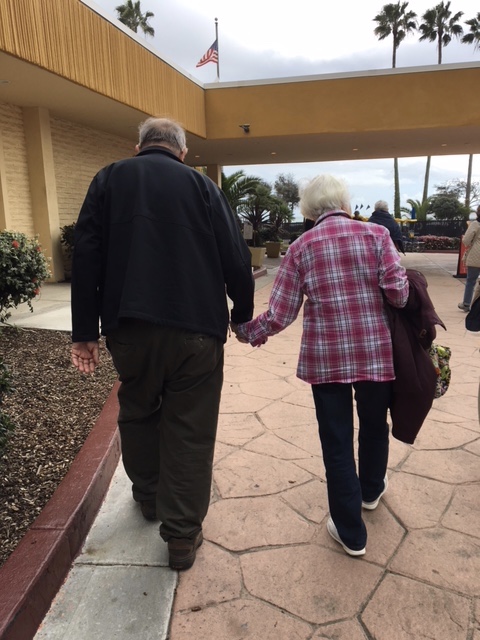
Here’s the fourth-floor walkup you called home. Here’s the tiny room overlooking Joy Street where your sister used to roll her waitressing change into paper tubes for the rent. Here’s your room, with the big saggy bed left by a previous tenant. Here’s the bathroom where you didn’t pee at night because darkness was the domain of the cockroaches. Here’s the plant in the sunny window that you wound around itself because it was out of control.

Here’s the curbside rocking chair that your friend lugged up for you. Here’s the curbside rug on the living room floor where you used to host Chinese dinner parties. Here’s the couch you were lying on that spring Thursday when the phone call came. This is the place you fled a few weeks later. The place where you were a girl and then not. The place that comes back to you in dreams, just the way this poem does. 

Encounter, by Czeslaw Milosz

We were riding through frozen fields in a wagon at dawn.
A red wing rose in the darkness.

And suddenly a hare ran across the road.
One of us pointed to it with his hand.

That was long ago. Today neither of them is alive,
Not the hare, nor the man who made the gesture.

O my love, where are they, where are they going
The flash of a hand, streak of movement, rustle of pebbles.
I ask not out of sorrow, but in wonder.

For more information on Czeslaw Milosz, please click here
alisonmcghee.com
My podcast: Words by Winter 

Poem of the Week, by Alice N. Persons

When walking in crowds I sometimes think that man could be a rapist or that man could be a serial killer or I wonder if that’s a loaded gun in that bulgy pocket. There’s no fear in these thoughts, just a kind of distant, idle curiosity.

I’m switching things up now, though. Maybe that woman runs a senior dog rescue; maybe that man sings show tunes in a nursing home every Thursday; maybe she’s a pediatric oncologist; maybe he roams the neighborhood every day with a plastic bag; picking up trash.

Maybe that woman with the dark hair and sparkly eyeglasses once saw a young man standing by the edge of a tall building, and she sensed he was gathering his strength to jump, and she approached gently and told him how she had once felt the same way, and she was there to listen if he wanted to talk, and he did, and she listened, and now a decade later they send each other a tiny daily text, just to say Hi, thinking about you. Sending love.

the man in front of you, by Alice N. Persons 

is just tall enough
has soft black hair
and golden skin
wide shoulders
and smells good

you stand behind him
in the movie line
or buying flowers on boylston street
or see him on the subway
not far down the car
his clean brown hands
on the overhead rail

the man in front of you
could have just killed someone
or might have a bitter face
may love no one
or always sleep alone

the man in front of you
hurries out of the station
or rushes around the corner
and vanishes into a cab
you never see his face
but in dreams he comes to you
and does not slip away

Click here for more information about Alice N. Persons. Today’s poem appears in Never Say Never, published in 2004 by Moon Pie Press.  
alisonmcghee.com​ 
My podcast: Words by Winter

Poem of the Week, by Ada Limón

A few months ago I was tromping around the Zurich airport train station, backpack heavy on my shoulders, following signs, twisting and turning down this hallway and that. Now to figure out the ticket kiosk. Now to find the right platform. Now to double check the time. Tired. Hungry. Thirsty. Worried worried worried and so sad about my country.

Ticket in hand, I turned a corner and locked eyes with a small brown dog who looked at me calmly, as if she’d been waiting for me. I dropped to my knees next to her and held out the back of my hand and she lay her head on it. The animal part of me wanted to live with this dog forever, and I looked up at her human, who smiled in understanding. The world was calm for a moment.

While Everything Else Was Falling Apart, by Ada Limón

In the Union Square subway station nearly fifteen
years ago now, the L train came clanking by
where someone had fat-Sharpied a black heart
on the yellow pillar you leaned on during a bleak day
(brittle and no notes from anyone you crushed upon).
Above ground, the spring sun was the saddest one
(doing work, but also none). What were you wearing?
Something hopeful to show the world you hoped?
A tall man was learning from a vendor how to pronounce
churro. High in the sticky clouds of time, he kept
repeating churro while eating a churro. How to say
this made you want to live? No hand to hold
still here it was: someone giving someone comfort
and someone memorizing hard how to ask for it again.

Click here for more information about Ada Limón. Today’s poem is from The Chorus These Poets Create: Twenty Years of Letras Latinas

alisonmcghee.com
My podcast: Words by Winter

Poem of the Week, by Charlotte Parsons

The elementary school bus I grew up riding, nearly an hour each way to and from school, was an ongoing nightmare. Fights, bullying, cruelty, all egged on by our horrible bus driver. That school bus has appeared and reappeared in many of my novels, always as a place of fear and torment. (There’s a reason I’m a fiction writer.)

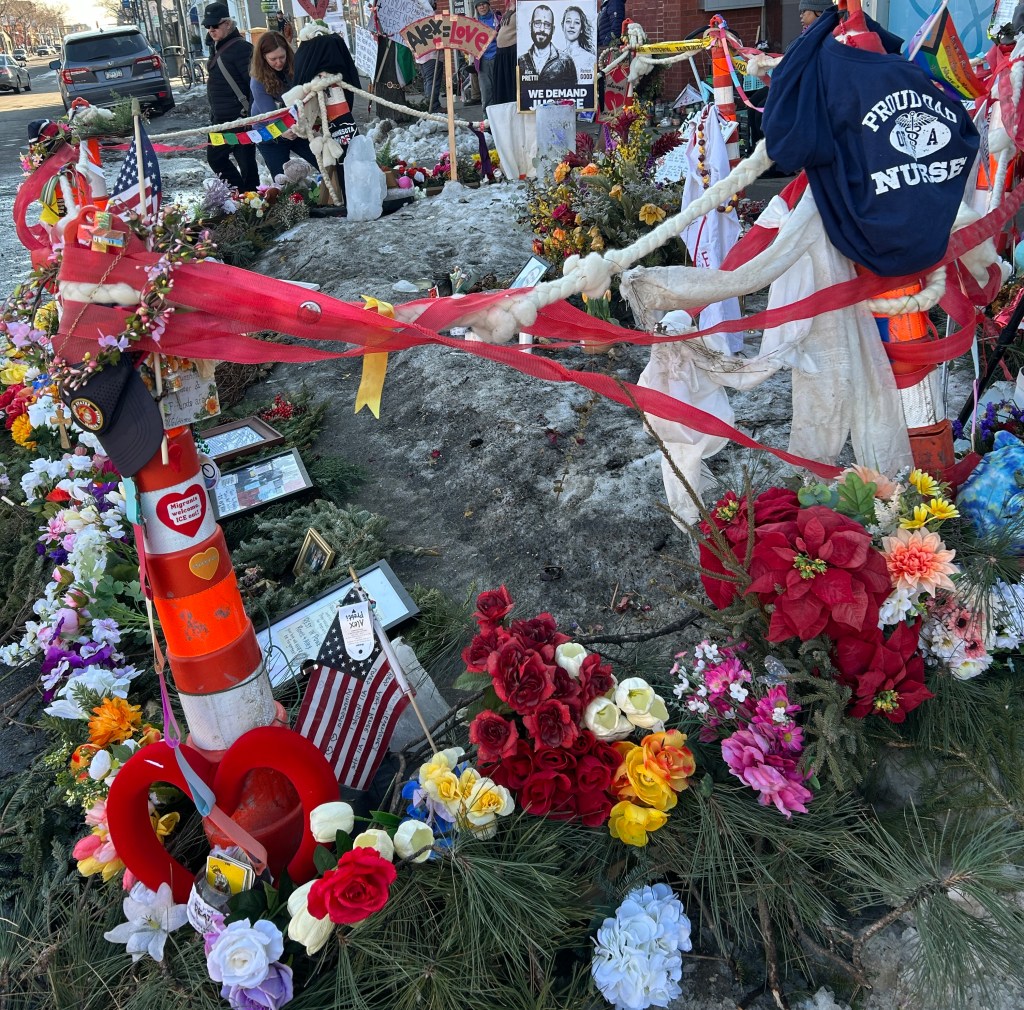
We can replicate that kind of cruelty or we can push back against it. It’s beyond exhausting and beyond terrifying to see our current vicious administration rise up against our fellow humans. We are all in this together. We will all come to an end one day. Those who called from the planes and towers on 9/11 were calling with messages of love.

Nine-Eleven, by Charlotte Parsons

You passed me on the street
I rode the subway with you
You lived down the hall from me
I admired your dog in the park one morning
We waited in line for a concert
I ate with you in the cafes
You stood next to me at the bar
We huddled under an awning during a downpour
We dashed across the street to beat the light
I bumped into you coming round the corner
You stepped on my foot
I held the door for you
You helped me up when I slipped on the ice
I grabbed the last Sunday Times
You stole my cab
We waited forever at the bus stop
We sweated in steamy August
We hunched our shoulders against the sleet
We laughed at the movies
We groaned after the election
We sang in church
Tonight I lit a candle for you
All of you

Although today’s poem has been featured on hundreds of websites I’m unable to find out any information about poet Charlotte Parsons other than that this poem first appeared on The Writer’s Almanac on September 11, 2017. This leads me to suspect that Charlotte Parsons is a pseudonym for someone else. If anyone’s in the know, please clue me in. 

alisonmcghee.com
My podcast: Words by Winter
Poem of the Week, by Rob Ingraham

In elementary school we had to write a lot of book reports, and this felt unbearable to me. How can a book possibly be boiled down to a few lines of plot and description of style? It would have crushed my soul, so I had to come up with an alternative, which was to make up imaginary books and then write book reports about them.

Most of my imaginary books were about winter pioneers, trying their best to survive in a one-room unchinked cabin, huddled around meager fires, facing the endless snows of winter. (Yes, I’m a northerner, and yes, I spent a lot of time reading the Little House books.)

To this day I can’t read book jackets, and it’s almost impossible for me to write jacket copy for one of my own books. I feel the same way about resumés. How can a bland listing of degrees and jobs possibly convey the truth of a human being?

Resumé, by Rob Ingraham

In French, it simply means a summary,
which limits what it can and can’t convey
despite my padding and hyperbole.
No room to cite the winter night I lay
inside an ambulance (my friend was dead),
they strapped me down, the flares lit up the snow.
No place to say how luckily I wed,
or itemize what took me years to know.
The format’s not designed to mention awe;
transcendence can’t be summarized at all.
And nowhere on the page to say I saw
a plane explode, I saw a building fall.
But these are skills not easily assessed;
all references provided on request.

I’ve been unable to find out more personal information about Rob Ingraham, but you can click here for another of his poems. Today’s poem was first published in Rattle #22 in the winter of 2004. 

alisonmcghee.com
My podcast: Words by Winter
Poem of the Week, by Keetje Kuipers

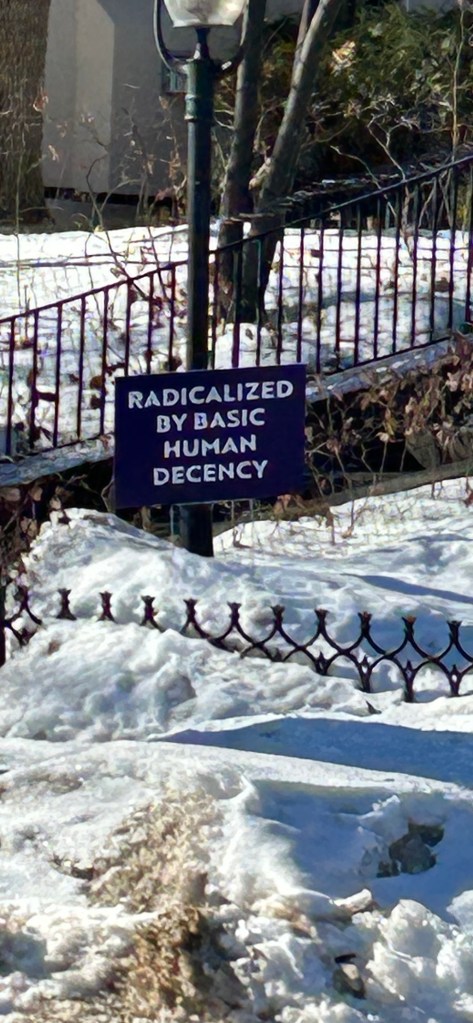
The other day, after a funeral, longtime friends and I had a quiet, deep conversation about the possibility of something beyond the rules of any one religion, lives before and beyond this one, a higher consciousness and good that transcends the castigation and stone-throwing surrounding us.

My definition of God? Maybe something like the feeling of my children on either side of me as I read them to sleep when they were little. The high school students I used to teach, ringed on the floor of our classroom on the giant pillows  I’d made, silent and absorbed on Friday afternoons as I read to them. Crouching in my garden, bees and butterflies floating from flower to flower as I dig in the dirt. The idea and feeling of peace, of a place where only love and comfort dwell. Poems that open my heart in a way that almost hurts, like this one.

Prayer, by Keetje Kuipers

Perhaps as a child you had the chicken pox
and your mother, to soothe you in your fever
or to help you fall asleep, came into your room
and read to you from some favorite book,
Charlotte’s Web or Little House on the Prairie,
a long story that she quietly took you through
until your eyes became magnets for your shuttering
lids and she saw your breathing go slow. And then
she read on, this time silently and to herself,
not because she didn’t know the story,
it seemed to her that there had never been a time
when she didn’t know this story—the young girl
and her benevolence, the young girl in her sod house—
but because she did not yet want to leave your side
though she knew there was nothing more
she could do for you. And you, not asleep but simply weak,
listened to her turn the pages, still feeling
the lamp warm against one cheek, knowing the shape
of the rocking chair’s shadow as it slid across
your chest. So that now, these many years later,
when you are clenched in the damp fist of a hospital bed,
or signing the papers that say you won’t love him anymore,
when you are bent at your son’s gravesite or haunted
by a war that makes you wake with the gun
cocked in your hand, you would like to believe
that such generosity comes from God, too,
who now, when you have the strength to ask, might begin
the story again, just as your mother would,
from the place where you have both left off.

Click here for more information about Keetje Kuipers. Today’s poem was originally published in the winter of 2007, in Rattle, Issue #28.

alisonmcghee.com
My podcast: Words by Winter