Poem of the Week, by Lisa Olstein
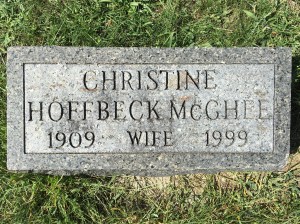
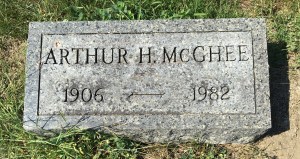
Hello, my grandparents. I drove by the farm before I came here. It took me a while to find it – I finally had to call Mom and Dad from the car because I drove up and down McGhee Hill Road and could not seem to find the driveway. No red barn, no white farmhouse, no sloping green lawn with big trees. Turns out I’d forgotten that you have to go up and over the hill before you get to the farm – it’s on the other side. You’ll be happy to hear that it looks beautiful. They’ve turned the barn into some kind of pottery place, or art studio. Artisanal cheese, maybe. Whoever those New Yorkers you sold it to are, they obviously love the place. Not the way we did, though. No one could love it the way we did, back then.
Dear One Absent This Long While
– Lisa Olstein
It has been so wet stones glaze in moss;
everything blooms coldly.
I expect you. I thought one night it was you
at the base of the drive, you at the foot of the stairs
you in a shiver of light, but each time
leaves in wind revealed themselves,
the retreating shadow of a fox, daybreak.
We expect you, cat and I, bluebirds and I, the stove.
In May we dreamed of wreaths burning on bonfires
over which young men and women leapt.
June efforts quietly.
I’ve planted vegetables along each garden wall
so even if spring continues to disappoint
we can say at least the lettuce loved the rain.
I have new gloves and a new hoe.
I practice eulogies. He was a hawk
with white feathered legs. She had the quiet ribs
of a salamander crossing the old pony post road.
Yours is the name the leaves chatter
at the edge of the unrabbited woods.
For more information on Lisa Olstein, please click here.
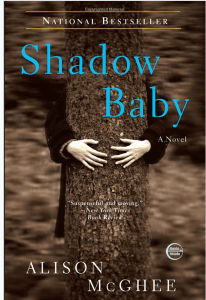 When I was eighteen I left the landscape of my childhood –the foothills of the southwestern Adirondacks, in far upstate New York– for college in Vermont, and in all the years since I have never spent more than a week at a time in my homeland, always to visit my parents. You would think I left that world behind, the day I got to college, and in a way that’s true. The horizons of my life blew wide open that day, and they have kept right on opening. But every adult novel I’ve ever written is set in that land, with its maples and oaks that turn to flame in the autumn, pine trees in winter that look black against deep snow that looks blue or white or pink, depending. The people in those novels aren’t real, I conjured them up out of my heart and my head, but I wish they had been around when I was a girl. Maybe I would’ve loved them, maybe they would’ve loved me. When Alan Gillis in this beautiful, dreamlike poem below talks about the girl who sheds the skin of her longing only to escape into more longing, I know in my bones what he means. I guess everyone does.
 Alison McGhee